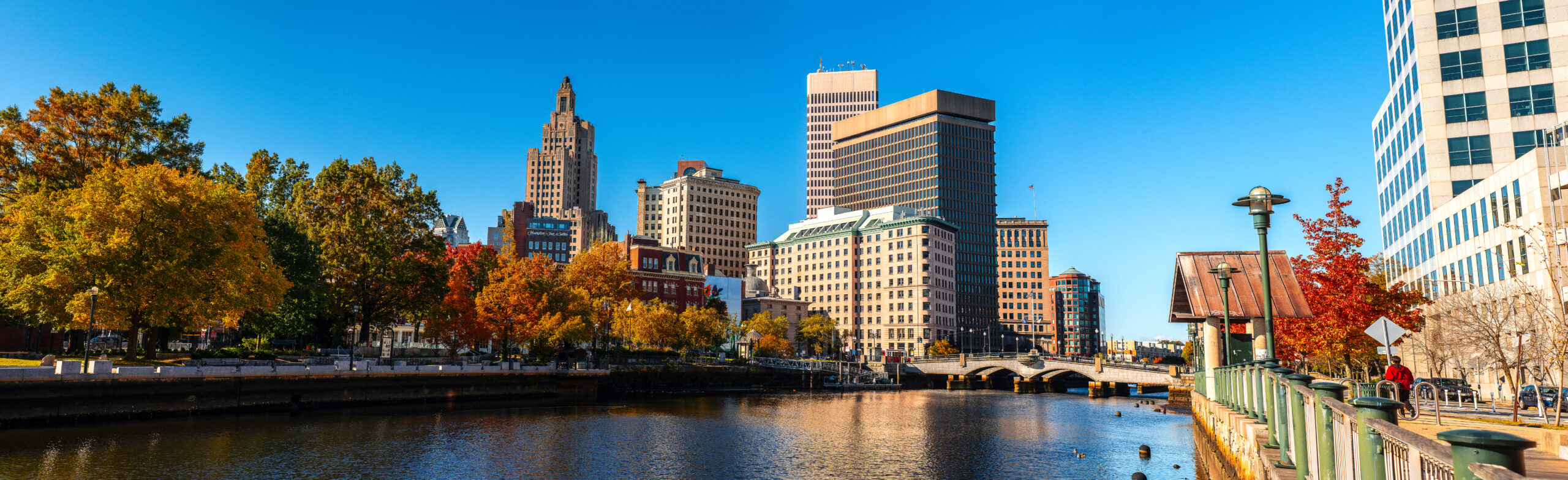
A Rhody Reflection on USA 250
Una Reflexión De Rhody Sobre Usa 250
As the United States celebrates the 250th anniversary of the Declaration of Independence this July 4th, Rhode Island reflects on its rich and complex history. Known as the first colony to renounce British rule, Rhode Island led an early uprising against the Crown with the 1772 burning of the HMS Gaspee. Despite being the last of the original thirteen colonies to ratify the Constitution—waiting until the Bill of Rights was added in 1791—the state played a pivotal role in American innovation and progressive movements. It was the birthplace of the Industrial Revolution in America, with river-powered mills transforming the economy, and later became a global leader in the jewelry industry. Rhode Island’s history also includes unique political experiments, such as the Dorr Rebellion for expanded voting rights and having five capitals before Providence became the sole capital in 1900. The state’s diverse heritage is also reflected in its immigrant communities, notably those arriving via the Port of Providence aboard the Fabre Line from Mediterranean countries in the early 20th century. Through 2026, Rhode Island continues to explore and celebrate its historical legacy alongside its vibrant present.
El 4 de julio se conmemora el semiquincentenario de la ratificación de la Declaración de Independencia de Estados Unidos, un momento que invita a reflexionar sobre la historia de Rhode Island y su papel en la fundación del país. Rhode Island fue la primera colonia en renunciar al dominio británico y protagonizó la primera revuelta contra la Corona con la quema del HMS Gaspee en Warwick, un año antes del Boston Tea Party. A pesar de ser la última de las 13 colonias en ratificar la Constitución, lo hizo tras la inclusión de la Carta de Derechos en 1791. A lo largo de los siglos, el estado ha sido un centro de innovación, cuna de la Revolución Industrial en EE.UU. y escenario de movimientos progresistas como la Rebelión de Dorr, que buscaba ampliar el derecho al voto. Su economía evolucionó del textil al metalúrgico, destacándose en el siglo XX como líder mundial en la industria de la joyería. Además, el puerto de Providence fue un punto clave de entrada para inmigrantes mediterráneos entre 1911 y 1934, especialmente portugueses e italianos, que contribuyeron a la diversidad cultural del estado. Rhode Island combina su rica historia con una vibrante vida contemporánea, ofreciendo un entorno único junto al océano y una variada oferta cultural y gastronómica.
Related News
Noticias relacionadas