Unearthing History: How thousands of graves were reinterred to make way for Interstate 95
Descubriendo La Historia: Miles De Tumbas Fueron Reubicadas Para Construir La Interestatal 95
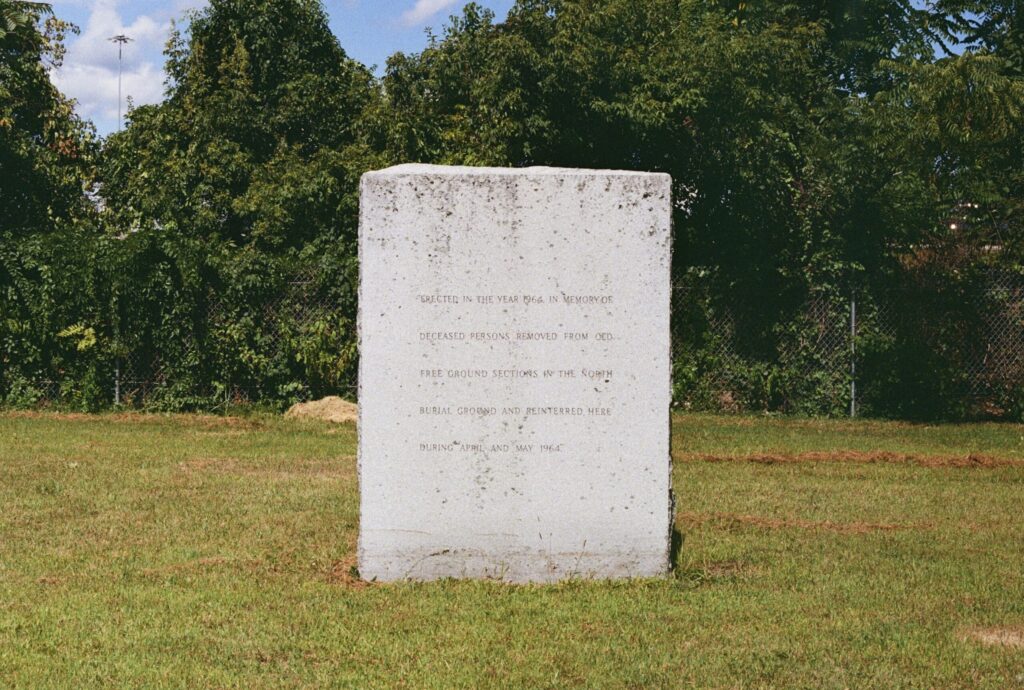
In 1964, thousands of graves from the North Burial Ground in Providence, Rhode Island, were exhumed and reinterred to make way for the construction of Interstate 95. A section of the cemetery, known as the Potter’s Field, was located in the highway’s proposed path. To accommodate the project, the state and cemetery authorities agreed to relocate approximately 4,400 graves, primarily from the free grounds where many people of color were buried. Most remains were reburied in a mass grave in a new plot at the cemetery’s northern edge. However, records were only kept for about a quarter of those moved, leaving many identities unknown.
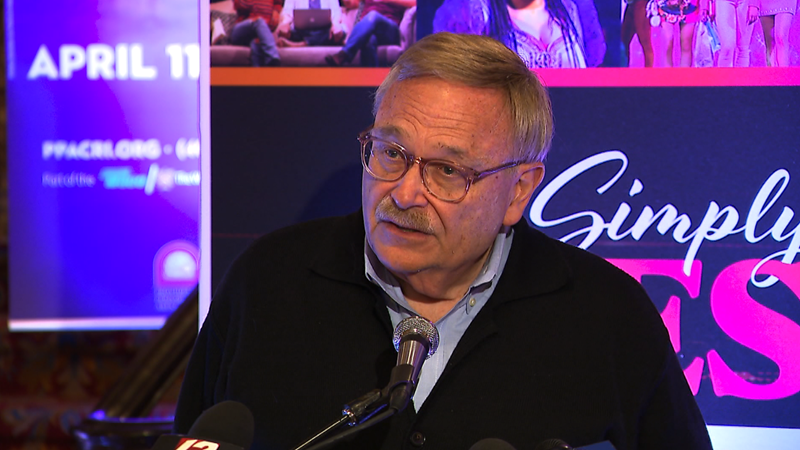
This large-scale reinterment was completed in just three months, reflecting the era’s disregard for detailed documentation and care of marginalized burial sites. Today, North Burial Ground staff and researchers are working to digitize and organize burial records to better understand the cemetery’s social history and recover information about those displaced by the highway construction. The project aims to preserve the memory of those buried and shed light on Providence’s past.
En la década de 1960, la construcción de la interestatal I-95 en Rhode Island implicó la exhumación y reubicación de miles de tumbas en el North Burial Ground, un cementerio con más de 325 años de historia. Para permitir el paso de la autopista, un tramo del cementerio, conocido como el Potter’s Field, fue afectado directamente. En un proceso que duró solo tres meses en la primavera de 1964, se trasladaron alrededor de 4,400 cuerpos, muchos de ellos provenientes de las llamadas “free grounds”, áreas donde eran enterradas principalmente personas de color. La mayoría de estos restos fueron reinhumados en una fosa común en un terreno adyacente, tras un intercambio de terrenos entre el estado y el cementerio. Sin embargo, se conservaron registros detallados solo para una cuarta parte de las tumbas reubicadas, lo que dificulta conocer las identidades de muchos de los fallecidos. Actualmente, investigadores y el personal del cementerio trabajan en la digitalización y estructuración de los registros históricos para facilitar el acceso a esta información y profundizar en aspectos sociales, religiosos y de salud pública relacionados con la historia de Providence. El traslado masivo de tumbas refleja prácticas que hoy serían impensables y subraya el impacto de la expansión urbana en sitios históricos.
Related News
Noticias relacionadas