RI lawmakers pass bill to ban sale of rat poisons
Legisladores De Rhode Island Aprueban Ley Para Prohibir Venta De Veneno Para Ratas
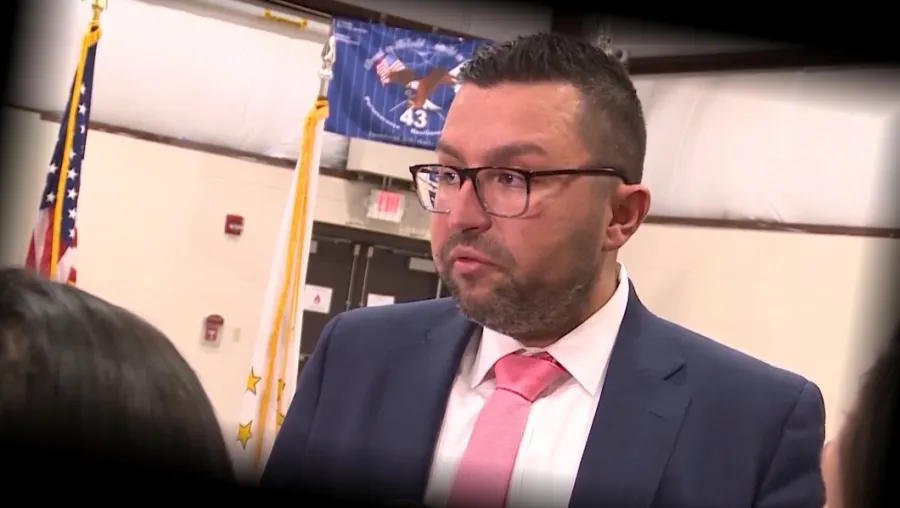
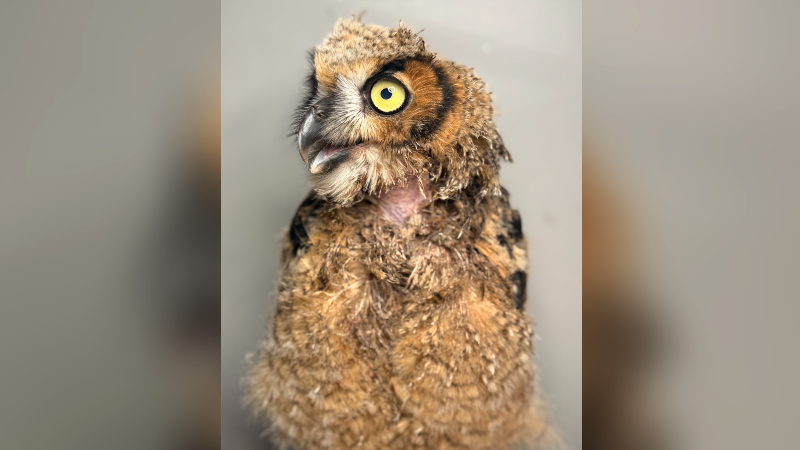
Rhode Island lawmakers have passed a bill banning the sale of certain rat poisons, aiming to protect wildlife from accidental poisoning. The legislation responds to concerns raised by environmental advocates and experts who have observed frequent cases of birds and other animals suffering from secondary poisoning after ingesting rodents that consumed toxic bait. Sheida Soleimani, Executive Director of Congress of the Birds, has highlighted the daily struggles of caring for poisoned birds, underscoring the urgent need for safer pest control methods. The new law targets particularly harmful rodenticides known to cause widespread harm beyond their intended targets. By restricting these poisons, Rhode Island hopes to reduce wildlife fatalities and promote safer alternatives for pest management. This move aligns with growing efforts nationwide to balance effective pest control with environmental conservation. The bill’s passage marks a significant step toward protecting the state’s ecosystems and the diverse species that inhabit them.
La Asamblea Legislativa de Rhode Island aprobó un proyecto de ley que prohíbe la venta de venenos para ratas en el estado. Esta medida busca proteger la vida silvestre, especialmente a las aves, que con frecuencia resultan envenenadas de manera accidental al consumir estos tóxicos. Sheida Soleimani, directora ejecutiva de Congress of the Birds, ha destacado la gravedad del problema, ya que atiende diariamente aves afectadas por estos venenos. La iniciativa legislativa responde a la creciente preocupación por el impacto ambiental y el daño a especies no objetivo que sufren intoxicaciones letales. Con esta prohibición, Rhode Island se suma a otros estados que han tomado medidas similares para reducir el uso de rodenticidas altamente peligrosos y promover métodos más seguros de control de plagas. La ley representa un paso importante en la conservación de la fauna local y en la prevención de muertes innecesarias causadas por productos químicos tóxicos. Se espera que la implementación de esta normativa contribuya a un entorno más saludable para las aves y otros animales silvestres en la región.
Related News
Noticias relacionadas