Record-Setting 4th of July Heatwave Had More to Do with Climate Change than El Niño
La Ola De Calor Récord Del 4 De Julio Se Debió Más Al Cambio Climático Que A El Niño
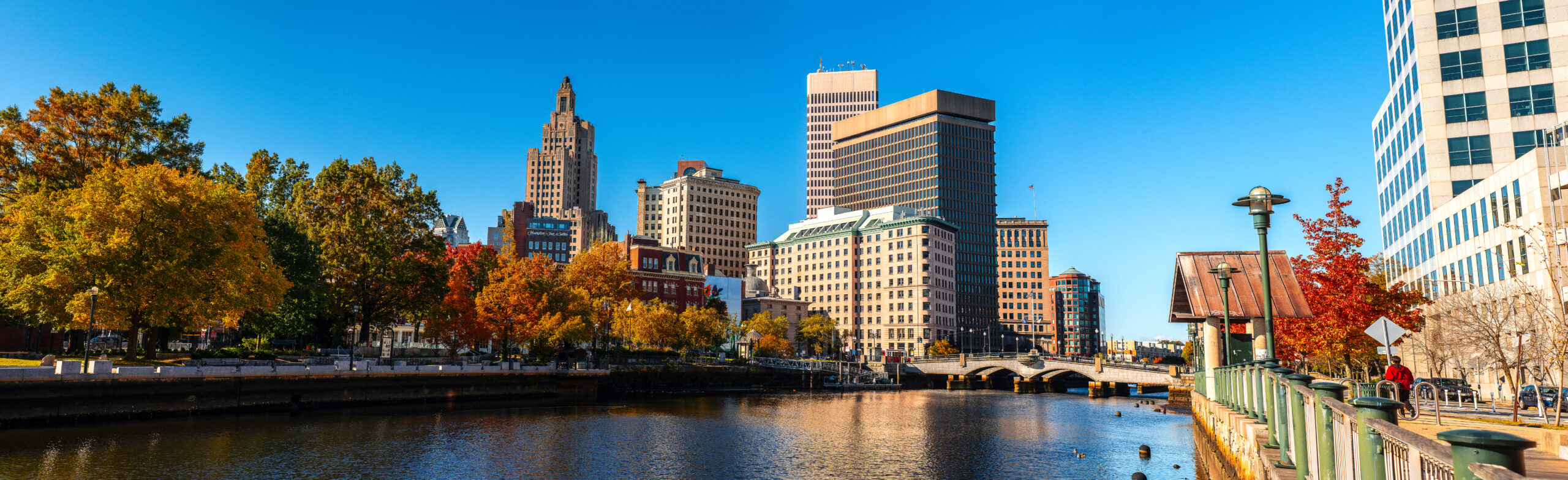
On July 2, 2026, Providence recorded a historic high of 99 degrees, breaking a 1941 record for that date. While media coverage attributed the heatwave to a strong El Niño event in the Pacific, climatologists emphasize that human-driven climate change played a larger role. Climate Central reports that the recent heatwave was three times more likely due to fossil fuel-induced warming. The heatwave led to a surge in heat-related emergency visits in Providence, disproportionately affecting lower-income neighborhoods that experience higher temperatures due to urban heat island effects linked to historic redlining.
El Niño, a natural Pacific weather pattern, typically influences New England’s winters rather than summers, bringing warmer, more humid conditions. Experts note that this year’s El Niño may be the strongest since the mid-1900s, potentially impacting agriculture and food prices globally. However, the summer heatwave reflects long-term warming trends, with Rhode Island temperatures rising nearly four degrees since 1900. Urban areas in the state are heating faster than rural ones, with differences up to 10 degrees Fahrenheit, exacerbating health risks. Heat is the leading weather-related cause of death in the U.S., underscoring the need for improved infrastructure and medical preparedness as climate change intensifies.
El 2 de julio de 2026, Providence registró 99 grados Fahrenheit, la temperatura más alta jamás registrada en esa fecha, superando el récord de 98 grados de 1941. Aunque se ha atribuido el calor extremo a un fuerte fenómeno de El Niño en el Pacífico, climatólogos como Abby Frazier indican que el cambio climático es el principal responsable. Según Climate Central, la crisis climática causada por combustibles fósiles triplicó la probabilidad de esta ola de calor entre el 1 y 4 de julio.
Durante este evento, Providence reportó una docena de visitas a emergencias por problemas relacionados con el calor, afectando especialmente a comunidades de bajos ingresos que sufren temperaturas hasta 10 grados más altas debido a patrones históricos de segregación urbana. En Rhode Island, las temperaturas han aumentado casi cuatro grados desde principios del siglo XX, con 13 días más de calor anormal en 2025 que en 1970.
Aunque El Niño suele influir en inviernos más cálidos y húmedos en Nueva Inglaterra, su efecto en el verano es menor. Expertos advierten que el calentamiento acelerado, especialmente en áreas urbanas, y las noches cálidas sin alivio, incrementan los riesgos para la salud pública, subrayando la necesidad de adaptar la infraestructura y servicios médicos ante el cambio climático.
Related News
Noticias relacionadas