How the 1st Rhode Island Regiment Led the Fight for Freedom
Cómo El 1Er Regimiento De Rhode Island Lideró La Lucha Por La Libertad
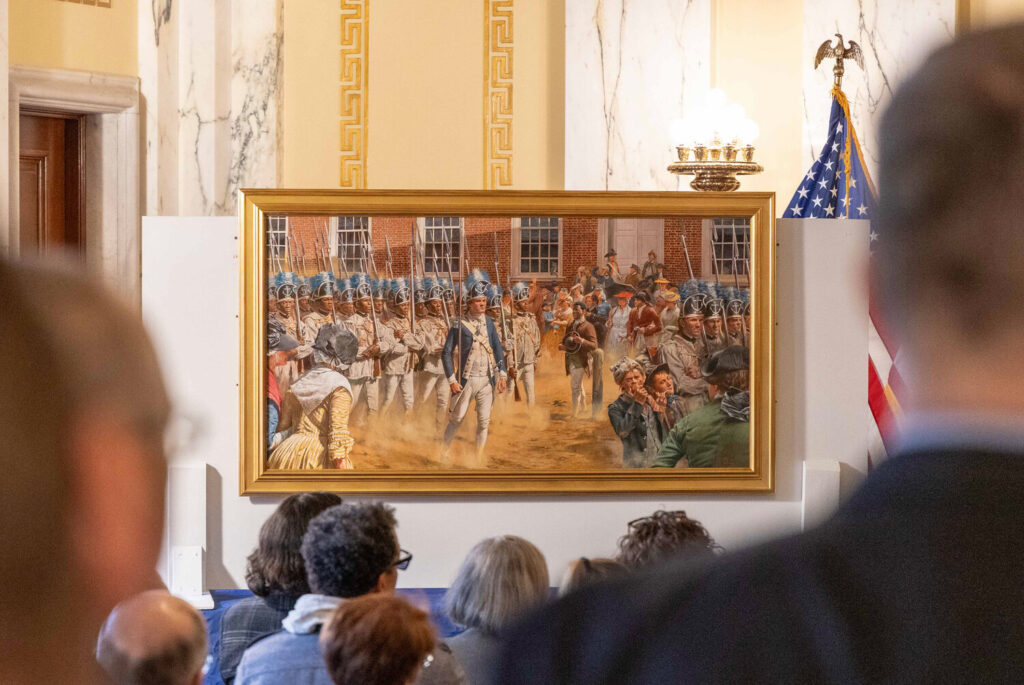
In 1778, Rhode Island took a groundbreaking step by allowing enslaved African-American and Indigenous men to enlist in the military with the promise of immediate freedom upon passing muster. This policy transformed the 1st Rhode Island Regiment from a predominantly white unit into one of America’s first racially integrated military forces. Known as the “Black Regiment,” it included a majority of Black soldiers alongside significant numbers of Native Americans from tribes such as the Narragansett, Wampanoag, and Niantic. While all officers remained white, the regiment embodied a diverse group of individuals motivated by a mix of desires: freedom from enslavement, protection of their communities, personal pride, and hope for a new nation’s promise.
The regiment played a crucial role in key battles, including the Battle of Rhode Island and the Battle of Yorktown, earning recognition for their bravery and contribution to the Revolutionary War’s success. Their service marked an important early step toward emancipation in New England and highlighted the complex motivations and sacrifices of soldiers who fought not only for independence but also for their own liberty and survival.
En 1778, durante la Guerra de Independencia de Estados Unidos, Rhode Island aprobó una ley que permitía la incorporación de hombres afroamericanos e indígenas al ejército a cambio de su libertad inmediata. Esta medida transformó al 1er Regimiento de Rhode Island, originalmente compuesto mayoritariamente por soldados blancos, en una de las primeras unidades militares racialmente integradas del país. Conocido popularmente como el “Regimiento Negro”, la mayoría de sus soldados eran afroamericanos, aunque también participó una significativa proporción de indígenas de naciones como Narragansett, Wampanoag y Niantic. Los oficiales, sin embargo, permanecieron blancos.
El regimiento enfrentó importantes batallas, destacándose en la Batalla de Rhode Island en agosto de 1778, donde resistieron ataques de tropas mercenarias y fueron reconocidos por su valentía. También participaron en la Batalla de Yorktown, decisiva para la victoria estadounidense. Para muchos soldados, la motivación principal fue obtener la libertad personal, aunque otros lucharon por orgullo, protección familiar o la esperanza de un futuro mejor tras la independencia. La participación indígena reflejó tradiciones guerreras vinculadas a la defensa comunitaria y la diplomacia. Este episodio marcó un paso temprano hacia la emancipación en Nueva Inglaterra.
Related News
Noticias relacionadas