10 Interesting Facts About Black History Month in Rhode Island
10 Datos Interesantes Sobre El Mes De La Historia Negra En Rhode Island
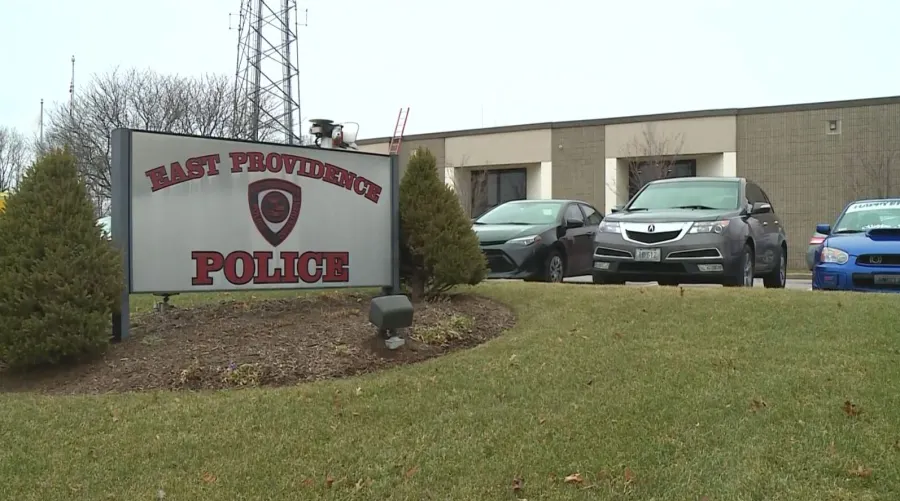
Black History Month in Rhode Island highlights the rich cultural heritage and history of the state’s longstanding black community. The Providence Cultural Equity Initiative encourages residents to appreciate the black narrative rooted in Rhode Island itself, beyond the broader story of struggle and progress. Among notable historical facts, Rhode Island was home to James Howland, the last known slave in the state, who died in 1859 at age 100. Newport’s “God’s Little Acre” cemetery contains one of the oldest collections of markers for enslaved and free Africans dating back to the 1600s. The Dexter Training Ground in Providence served as a training site for African-American Civil War troops. The 1st Rhode Island Regiment was America’s first African-American military unit, playing key roles in battles during the Revolutionary War. Early black neighborhoods like Hard Scrabble and Snow Town faced violent race riots, leading to the formation of the Providence Police Department. Prominent Rhode Islanders include Joseph Gomes, a Negro League baseball All-Star, and Dr. Raymond T. Jackson, a celebrated concert pianist who promoted African-American composers. Matilda Sissieretta Joyner Jones, a renowned 19th-century singer, and Dr. Alonzo Van Horne, the state’s first black dentist, also left lasting legacies. The African Union Society, founded in Newport in 1780, further reflects Rhode Island’s deep African-American roots.
En el marco del Mes de la Historia Negra, Rhode Island destaca la rica herencia y diversidad de su comunidad afroamericana, invitando a la población a conocer una narrativa que va más allá de la lucha contra la esclavitud. Entre los hechos relevantes, se recuerda a James Howland, el último esclavo conocido en el estado, fallecido en 1859 en Jamestown a los 100 años. El cementerio “God’s Little Acre” en Newport conserva probablemente la colección más antigua y extensa de marcadores de africanos esclavizados y libres desde finales del siglo XVII. El terreno de entrenamiento Dexter en Providence fue un sitio clave para tropas negras de la Guerra Civil. Además, el primer regimiento militar afroamericano de EE.UU. fue el 1º de Rhode Island, que participó en batallas decisivas durante la Revolución. En Providence, los barrios Hard Scrabble y Snow Town fueron escenarios de disturbios raciales en el siglo XIX, que llevaron a la creación del Departamento de Policía local. Destacan también figuras como Joseph Gomes, estrella del béisbol en la Liga Negra; el pianista Raymond T. Jackson, pionero en la difusión de compositores afroamericanos; y la cantante Matilda Sissieretta Joyner Jones, conocida internacionalmente como “la Black Patti”. Asimismo, Alonzo Van Horne fue el primer dentista afroamericano en el estado, y la African Union Society, fundada en Newport en 1780, es una de las primeras organizaciones negras en la región. Estas historias reflejan la profunda contribución y presencia histórica de la comunidad negra en Rhode Island.
Related News
Noticias relacionadas