 Happening now
Art at Watson Presents — Life After War
Arte en Watson Presenta — Vida Después de la Guerra
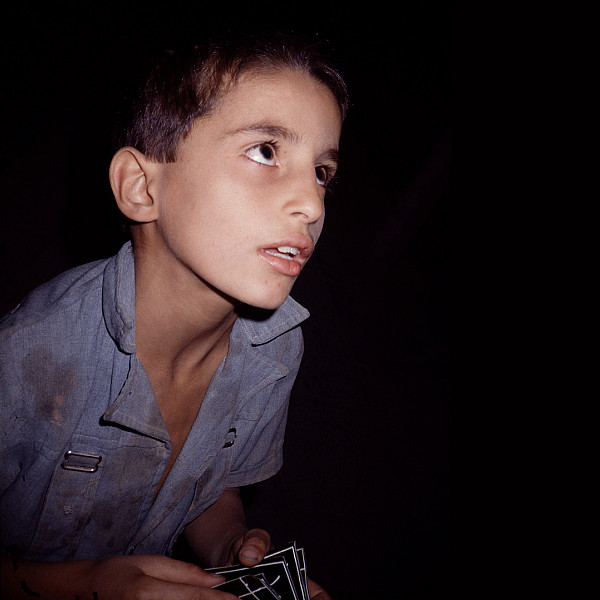
“Life After War,” a series composed of photography works by Amy Kaslow, will be displayed at the Watson School of International and Public Affairs throughout Fall 2025. Exhibit Open – November 10 – January 15, Second Floor, 111 Thayer Street Artist Statement: Nearly a billion people are forcibly on the move today: men, women and children flung from their centers of gravity, from places their communities have known for generations. For now, these are survivors, remnants of conflict zones who somehow escaped the worst of humanity. Embarking on geographic journeys beyond the terror, most find that their trauma travels, too. And while they cut across many categories — including the “internally displaced” who fled their homes but not their countries, the refugees and asylum seekers unable to return to their home countries, the impoverished economic migrants, the families hoping to reunite, and the untold numbers of stateless people — they share one very important trait. They are desperate. The United Nations High Commission of Refugees (UNHCR) tracks migrants entering mostly low- and middle-income nations, which sorely lack resources and/or the resolve to meet the needs of non-citizens. Fleeing to fledgling or established democracies often exacerbates their emotional turmoil,with unwelcome responses from reluctant hosts, including the United States and European countries responsible for many of the regional conflicts that drove them from their homes in the first place. The World Health Organization (WHO) documents how displacement aggravates and ignites mental illness among forced migrants; in 2023, it found a staggering 20% of the entire global…
“La vida después de la guerra,” una serie compuesta por obras fotográficas de Amy Kaslow, se exhibirá en la Escuela Watson de Asuntos Internacionales y Públicos durante todo el otoño de 2025. Exhibición abierta – 10 de noviembre – 15 de enero, Segundo piso, 111 Thayer Street Declaración de la artista: Casi mil millones de personas están desplazadas por la fuerza hoy en día: hombres, mujeres y niños expulsados de sus centros de gravedad, de lugares que sus comunidades han conocido por generaciones. Por ahora, son sobrevivientes, restos de zonas de conflicto que de alguna manera escaparon a lo peor de la humanidad. Emprendiendo viajes geográficos más allá del terror, la mayoría descubre que su trauma también viaja. Y aunque atraviesan muchas categorías — incluyendo a los “desplazados internos” que huyeron de sus hogares pero no de sus países, los refugiados y solicitantes de asilo incapaces de regresar a sus países de origen, los migrantes económicos empobrecidos, las familias que esperan reunirse, y el número incontable de personas apátridas — comparten un rasgo muy importante. Están desesperados. La Agencia de la ONU para los Refugiados (ACNUR) rastrea a los migrantes que ingresan principalmente a naciones de ingresos bajos y medios, que carecen gravemente de recursos y/o de la voluntad para satisfacer las necesidades de los no ciudadanos. Huir hacia democracias incipientes o establecidas a menudo agrava su tormento emocional, con respuestas no deseadas de anfitriones reacios, incluidos Estados Unidos y países europeos responsables de muchos de los conflictos regionales que los expulsaron de sus hogares en primer lugar. La Organización Mundial de la Salud (OMS) documenta cómo el desplazamiento agrava e incita enfermedades mentales entre los migrantes forzados; en 2023, encontró un asombroso 20% de toda la población mundial…
Related Events
Eventos relacionados