Rep. Speakman’s trilogy of housing incentive bills: Co-living, faith-based affordable housing, reuse incentives
La Trilogía De Leyes De Rep. Speakman: Cohabitación, Vivienda Asequible Religiosa Y Reutilización
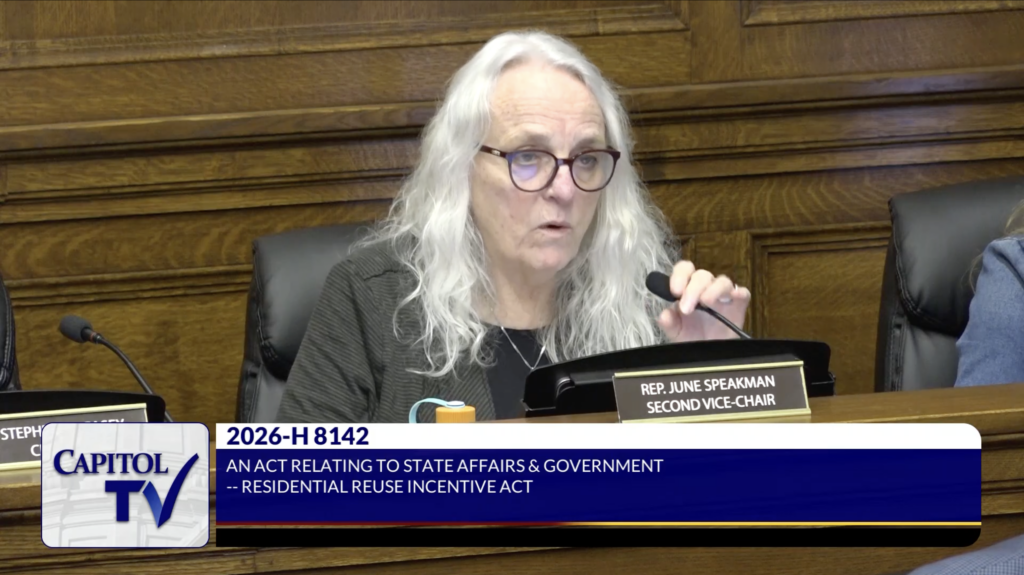
Rhode Island Representative June Speakman has introduced three housing incentive bills aimed at addressing the state’s housing shortage by activating underutilized spaces for affordable housing. Central to these is the Restoring Options in Occupancy Models (ROOM) Act, House Bill 8036, which seeks to legalize single-room occupancy (SRO) housing, commonly known as co-living. This model offers private sleeping quarters with shared amenities and is seen as a cost-effective way to convert commercial properties into housing. Speakman emphasized that the bill aims to restore housing choices limited by exclusionary zoning and outdated codes. While the bill has support, concerns were raised about current unsafe rental practices, with co-sponsor Rep. Cherie Cruz highlighting issues of overcrowded and insecure bedrooms. Legal experts supporting the bill argue that modern building and fire codes will maintain safety standards, and the legislation will remove arbitrary restrictions that limit affordable housing options. The bills, including others focused on faith-based affordable housing and reuse incentives, were discussed in a March 31 committee meeting but were held for further study.
Durante la reciente sesión legislativa en Rhode Island, la representante June Speakman presentó una trilogía de proyectos de ley destinados a incentivar la vivienda asequible mediante la reutilización de espacios vacíos o infrautilizados. Entre ellos destaca el ROOM Act (House Bill 8036), que busca relegalizar las residencias de ocupación individual, conocidas como “co-living” o SROs (single-room occupancy), para aliviar la crisis habitacional en Providence. Estas viviendas ofrecen habitaciones privadas con áreas comunes compartidas y son una alternativa económica para convertir edificios comerciales en viviendas. Históricamente, este tipo de alojamiento fue eliminado por normativas y renovaciones urbanas, lo que contribuyó a la disminución de la población local. Speakman explicó que la iniciativa pretende ampliar las opciones habitacionales, superando restricciones zonales y códigos obsoletos, aunque se incorporarán enmiendas para atender preocupaciones sobre vivienda estudiantil y estacionamiento. La propuesta contó con apoyo de expertos en justicia habitacional, quienes destacaron que el proyecto mantiene las normas modernas de seguridad, y busca ofrecer alternativas para personas que no requieren o no pueden costear apartamentos tradicionales. Otros proyectos en discusión incluyen un bono de vivienda para Providence y la creación de una autoridad para el puente Crook Point.
Related News
Noticias relacionadas