Going somewhere or gobbledy-gook? Community members spar with PRA over Urban League redevelopment
¿Avanzan O Es Confusión? Comunidad Debate Con Pra Sobre La Renovación De Urban League
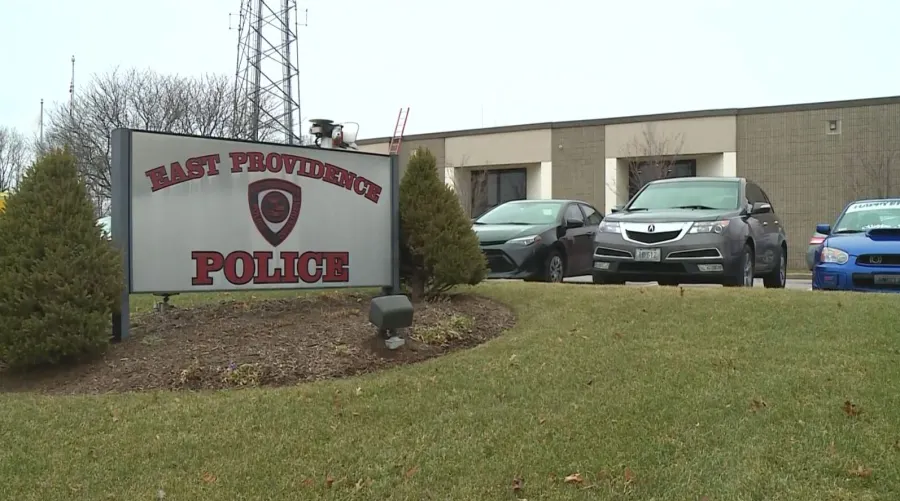
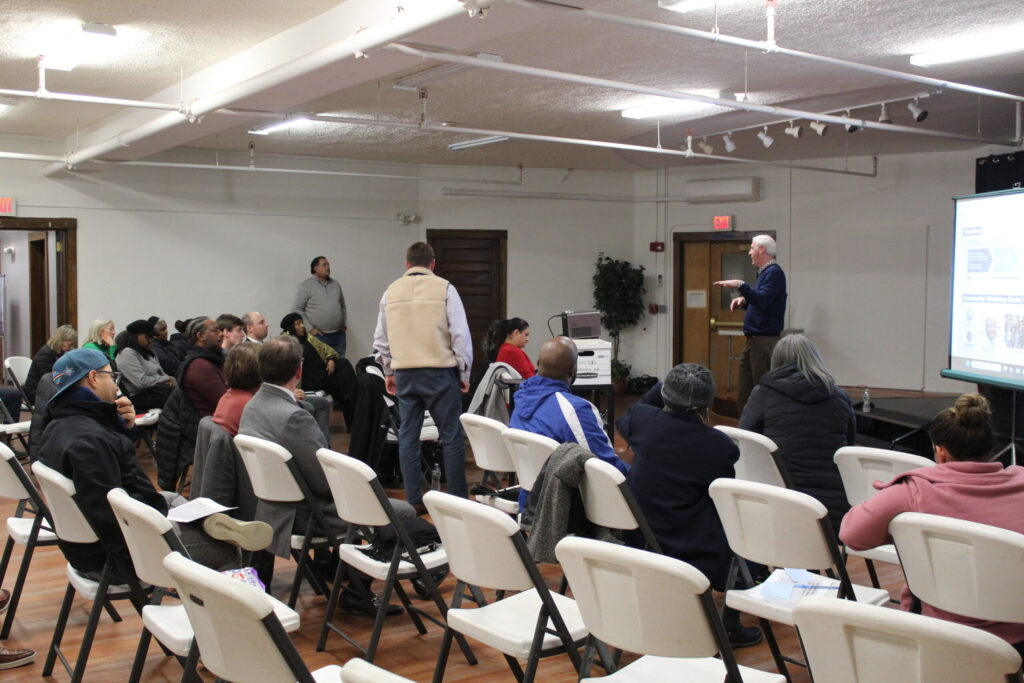
Over a year after residents of Southside began envisioning redevelopment for the former Rhode Island Urban League site at 246 Prairie Avenue, community members gathered on December 16 to hear the Providence Redevelopment Agency’s (PRA) findings from extensive engagement workshops. Director of Planning and Development Joe Mulligan outlined challenges posed by the city’s housing crisis and the high costs of construction, suggesting that future development may require large-scale housing production, a shift from traditional small-scale craftsmanship. The meeting, moderated by South Providence Neighborhood Association president Ron Crosson, revealed tension as residents sought clarity on what the City had learned from their input. Former community planning manager Tim Shea presented key insights from the engagement process, emphasizing respect for the site’s history and the importance of not erasing its legacy. Community priorities included creating an active neighborhood hub with mixed-use development, economic and career opportunities, community gathering spaces, additional green areas, and designs sensitive to the existing single-family residential context. Despite these community desires, PRA officials indicated challenges in aligning these goals with development realities, leaving some residents skeptical about the project’s direction.
Más de un año después de que los residentes de Southside comenzaran a replantear el uso del antiguo edificio de la Rhode Island Urban League en 246 Prairie Avenue, la Agencia de Reurbanización de Providence (PRA) presentó sus hallazgos en una reunión realizada el 16 de diciembre en el Southside Cultural Center. La presentación, liderada por Joe Mulligan, director de Planificación y Desarrollo, abordó la crisis habitacional de la ciudad y las dificultades para construir viviendas asequibles, destacando la necesidad de adoptar modelos de construcción a gran escala, algo poco familiar para la comunidad.
Durante un encuentro de más de dos horas, moderado por Ron Crosson, presidente de la Asociación de Vecinos de South Providence, los asistentes expresaron su interés por conocer los resultados del proceso de participación comunitaria que concluyó a principios de 2025. Tim Shea, exgerente de planificación comunitaria, detalló seis puntos clave identificados en los talleres: la demanda de un centro vecinal activo con uso mixto, oportunidades económicas y de empleo, espacios de reunión comunitaria, áreas verdes adicionales, reconocimiento de la historia y cultura del barrio, y un diseño sensible al contexto residencial circundante.
La reunión reflejó tensiones entre las expectativas vecinales y los retos planteados por la PRA en la planificación del desarrollo.
Related News
Noticias relacionadas