Federal preservation regulations on the chopping block
Regulaciones Federales De Preservación En Riesgo De Ser Eliminadas
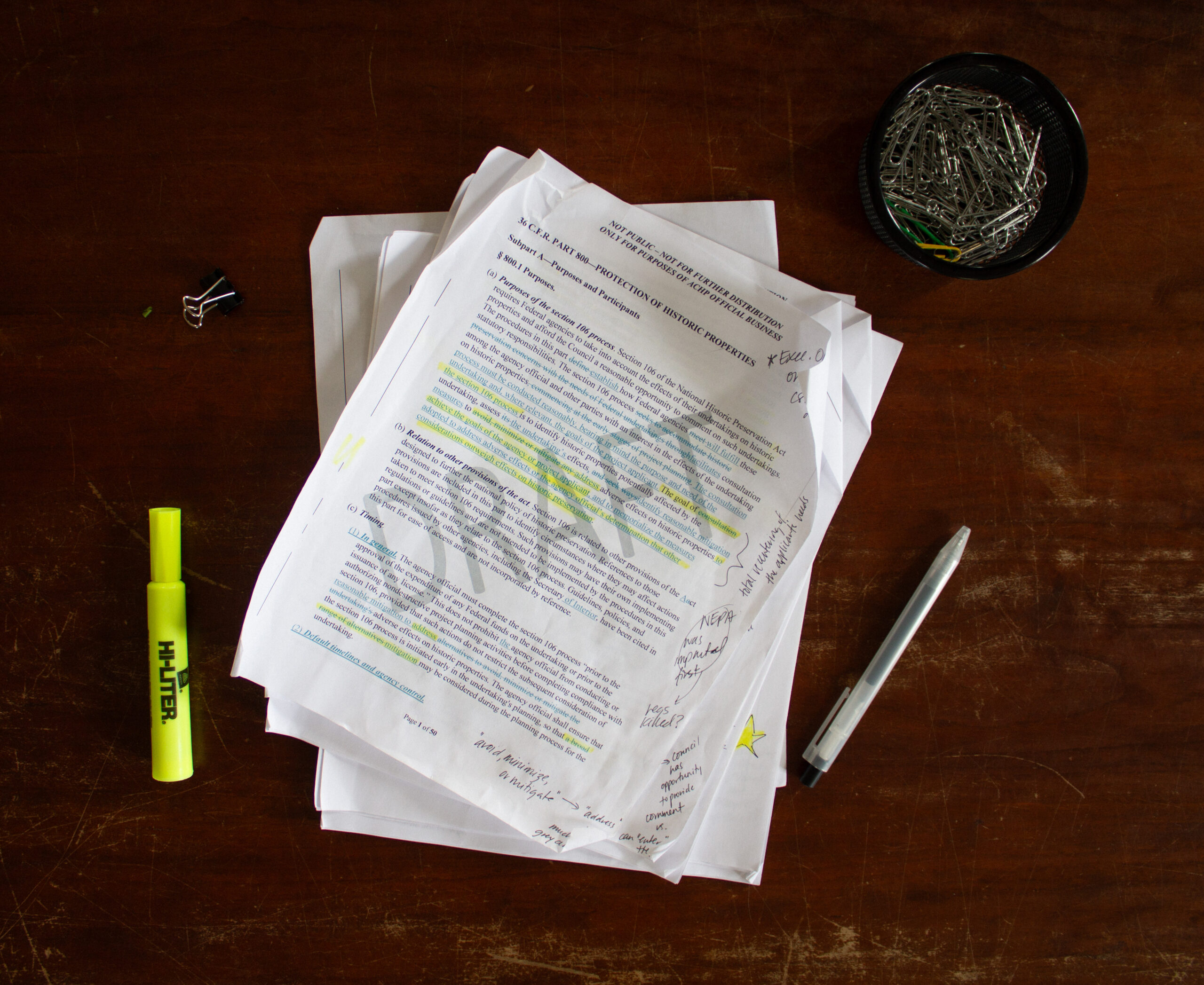
The Advisory Council on Historic Preservation has voted to significantly weaken Section 106 of the National Historic Preservation Act (NHPA), a key regulation that requires federal agencies to consult with tribes, local governments, and the public before proceeding with federally funded or permitted projects that may impact historic sites. Enacted in 1966 to protect historic places amid widespread urban renewal and highway construction, Section 106 established a consultation process involving state and tribal preservation officers and other stakeholders to identify and mitigate adverse effects on historic properties.
The proposed changes, initiated under the Trump administration’s directive to review regulations, would limit the ability of tribes, local governments, and the public to participate meaningfully in the review process. Tribal and preservation leaders expressed surprise and concern, warning that the revisions undermine collaborative decision-making and threaten the preservation of culturally significant sites. While the Advisory Council approved the changes, they are currently under review by the Office of Information and Regulatory Affairs before final implementation. Critics fear these revisions could accelerate damage to historic and cultural resources by reducing oversight and consultation opportunities.
El Consejo Asesor para la Preservación Histórica de Estados Unidos votó en julio para modificar significativamente la Sección 106 de la Ley Nacional de Preservación Histórica (NHPA), vigente desde 1966. Esta ley fue creada para proteger sitios históricos ante proyectos federales que podrían dañarlos, como autopistas o renovaciones urbanas. La Sección 106 establece un proceso de consulta obligatoria entre agencias federales, gobiernos estatales y tribales, y el público para evaluar impactos en propiedades históricas. Sin embargo, las nuevas propuestas limitarían el papel consultivo de tribus, gobiernos locales y ciudadanos en proyectos financiados o autorizados por el gobierno federal. Expertos y representantes de organizaciones históricas y tribales han expresado su preocupación, señalando que estos cambios podrían debilitar la participación pública y el reconocimiento de derechos soberanos. El Consejo justificó la reforma como parte de una directiva de la administración Trump para revisar regulaciones existentes. Actualmente, las modificaciones están bajo evaluación en la Oficina de Información y Asuntos Regulatorios, que tiene hasta 90 días para su revisión. La posible implementación de estos cambios marca un giro importante en la protección del patrimonio cultural en Estados Unidos.
Related News
Noticias relacionadas