George Washington’s Path to Independence with Denver Brunsman
El camino de George Washington hacia la independencia con Denver Brunsman
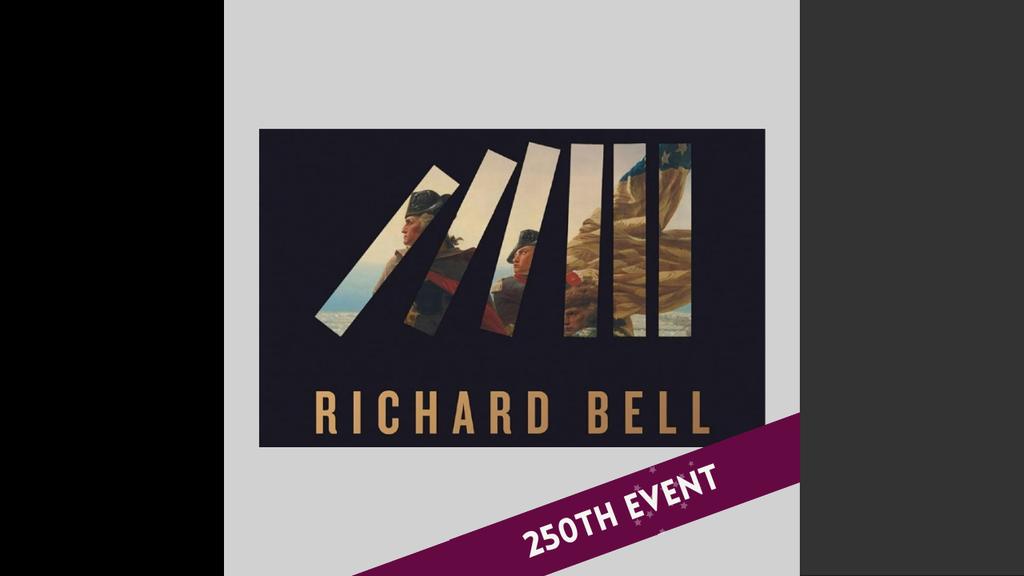
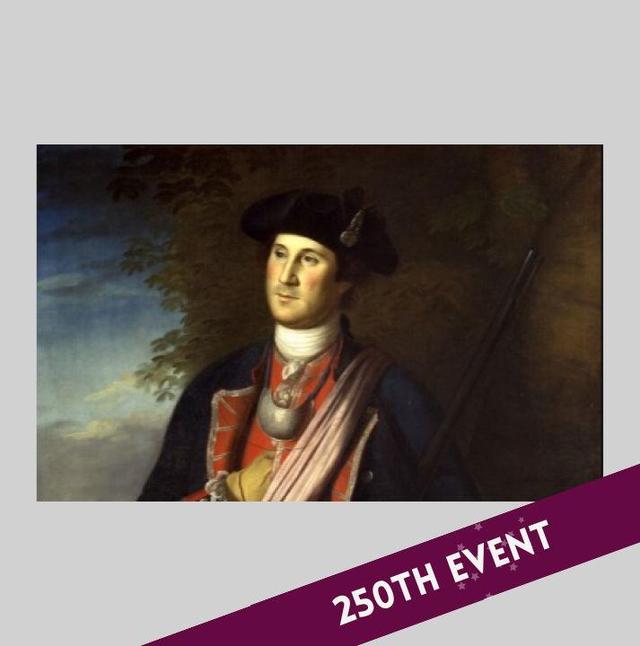
Join the Rhode Island Historical Society on Tuesday, October 6th at 6pm for the presentation George Washington’s Path to Independence by historian Denver Brunsman.
Today, we often take for granted that George Washington identified as an American, but this was not always the case. Washington was among the most anglicized, or British, of the leading American revolutionaries. Moreover, because he left the Continental Congress in Philadelphia on June 23, 1775, to lead the Continental Army against British forces, Washington missed the fiery debates that marked the political process culminating in Congress approving independence on July 2, 1776, and the Declaration of Independence two days later. He never signed the Declaration; indeed, he never formally declared independence. Instead, Washington followed a more evolutionary path to an American identity. The process began during the Seven Years’ War (1756-63), continued during the Imperial Crisis of the 1760s and 1770s, when he traded tobacco for wheat as the primary cash crop at Mount Vernon, and crystallized in his command of American forces starting in June 1775.
Denver Brunsman is Associate Professor and Chair of the History Department at George Washington University, where his courses include “George Washington and His World,” taught annually at the Mount Vernon estate. He is an award-winning author of the books George Washington and His World: Enslaver, Revolutionary, President (2026) and The Evil Necessity: British Naval Impressment in the Eighteenth-Century Atlantic World (2013); co-author of a leading college and AP U.S. History textbook, Liberty, Equality, Power: A History of the American People (2016; 2020); and co-editor of The American Revolution Reader (2014), among other publications. His honors include the Oscar and Shoshana Trachtenberg Prize for Teaching Excellence and induction into the George Washington University Academy of Distinguished Teachers (2018) as well as selection to the College Board AP U.S. History Development Committee (2018-23; Higher Ed Chair, 2021-23). He is co-director of the Albert H. Small Normandy Institute at GW and frequently leads K-12 professional development programs for organizations such as Humanities Texas, the George Washington Teacher Institute at Mount Vernon, and the Gilder Lehrman Institute of American History.
This program has been made possible in part by the National Endowment for the Humanities: Democracy demands wisdom.
Website: https://www.rihs.org/event/83611/
Únase a la Sociedad Histórica de Rhode Island el martes 6 de octubre a las 6 p.m. para la presentación El Camino de George Washington hacia la Independencia por el historiador Denver Brunsman.
Hoy en día, a menudo damos por sentado que George Washington se identificaba como estadounidense, pero no siempre fue así. Washington fue uno de los más anglicanizados, o británicos, de los principales revolucionarios americanos. Además, debido a que dejó el Congreso Continental en Filadelfia el 23 de junio de 1775 para liderar el Ejército Continental contra las fuerzas británicas, Washington se perdió los acalorados debates que marcaron el proceso político que culminó con la aprobación de la independencia por el Congreso el 2 de julio de 1776 y la Declaración de Independencia dos días después. Nunca firmó la Declaración; de hecho, nunca declaró formalmente la independencia. En cambio, Washington siguió un camino más evolutivo hacia una identidad americana. El proceso comenzó durante la Guerra de los Siete Años (1756-63), continuó durante la Crisis Imperial de las décadas de 1760 y 1770, cuando cambió el tabaco por el trigo como principal cultivo comercial en Mount Vernon, y se cristalizó en su mando de las fuerzas americanas a partir de junio de 1775.
Denver Brunsman es Profesor Asociado y Presidente del Departamento de Historia en la Universidad George Washington, donde sus cursos incluyen “George Washington y su Mundo”, impartido anualmente en la finca Mount Vernon. Es autor galardonado de los libros George Washington and His World: Enslaver, Revolutionary, President (2026) y The Evil Necessity: British Naval Impressment in the Eighteenth-Century Atlantic World (2013); coautor de un destacado libro de texto universitario y AP de Historia de EE. UU., Liberty, Equality, Power: A History of the American People (2016; 2020); y coeditor de The American Revolution Reader (2014), entre otras publicaciones. Sus honores incluyen el Premio Oscar y Shoshana Trachtenberg a la Excelencia en la Enseñanza y la inducción en la Academia de Profesores Distinguidos de la Universidad George Washington (2018), así como su selección para el Comité de Desarrollo de AP Historia de EE. UU. del College Board (2018-23; Presidente de Educación Superior, 2021-23). Es codirector del Instituto Albert H. Small Normandy en GW y frecuentemente lidera programas de desarrollo profesional K-12 para organizaciones como Humanities Texas, el Instituto de Profesores George Washington en Mount Vernon y el Instituto Gilder Lehrman de Historia Americana.
Este programa ha sido posible en parte gracias a la National Endowment for the Humanities: La democracia exige sabiduría.
Sitio web: https://www.rihs.org/event/83611/
Related Events
Eventos relacionados