What are privately owned public spaces? 5-ish questions with B.L. Jordan and Sachin Dubey
¿Qué Son Los Espacios Públicos Privados? 5 Preguntas Con B.l. Jordan Y Sachin Dubey
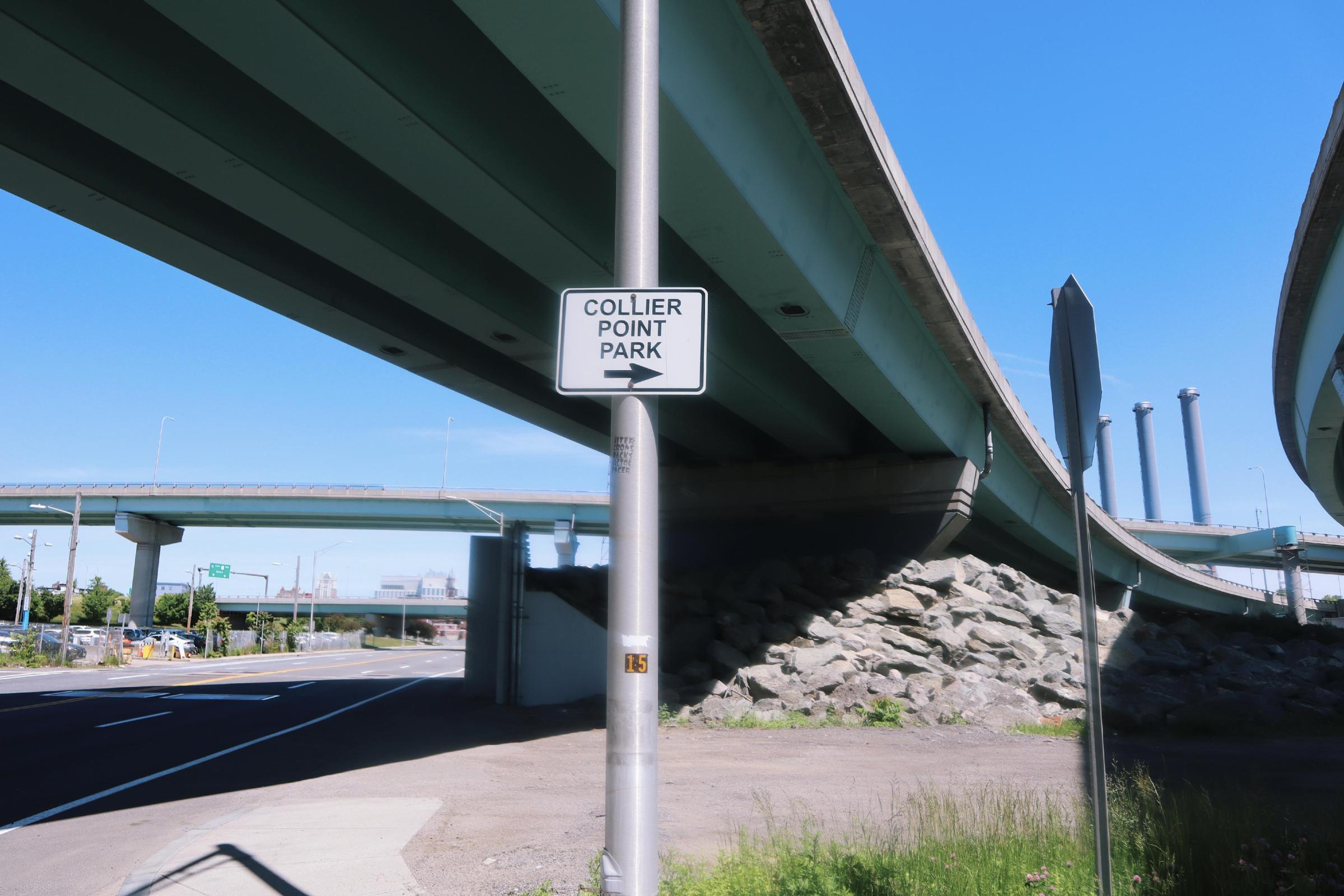
In 2024, Collier Point Park, a public waterfront access point on Providence’s South Side, closed unexpectedly, remaining inaccessible for months. This closure, coupled with a lack of transparency, led to the park being listed on the Providence Preservation Society’s Most Endangered Places list in 2025. The listing sparked the society’s deeper investigation into privately owned public spaces (POPS) in the city. POPS are public recreational areas owned and managed by private entities, often created through zoning incentives that allow developers to build higher in exchange for maintaining open spaces. Collier Point was designated a POPS in 1996 under an agreement between the city and former landowner Narragansett Electric.
The Providence Preservation Society, led by Policy and Trades Programs Manager B.L. Jordan, launched a research project to identify and understand POPS in Providence, enlisting summer fellow Sachin Dubey to assist. Their work revealed challenges due to the absence of a centralized database or clear records on POPS. Dubey, with a background in public policy and geography, highlighted difficulties navigating city archives and the complexity of zoning ordinances, which do not always reflect how POPS are established. The project aims to improve transparency and management of these spaces for public benefit.
En 2024, el parque público Collier Point, ubicado en el South Side de Providence y uno de los pocos accesos públicos a la costa, cerró repentinamente y permaneció cerrado durante meses sin explicación. Esta situación llevó a que en 2025 el parque fuera incluido en la lista de Lugares Más Amenazados de la Providence Preservation Society (PPS), lo que impulsó una investigación sobre los espacios públicos de propiedad privada, conocidos como POPS. Estos espacios, aunque accesibles al público, son propiedad y están gestionados por particulares, y su creación suele estar vinculada a acuerdos con el ayuntamiento o incentivos de zonificación que permiten a los desarrolladores obtener beneficios a cambio de mantener áreas abiertas. Collier Point fue designado como POPS en 1996 mediante un acuerdo entre la ciudad y el propietario de entonces, Narragansett Electric. La PPS, liderada por B.L. Jordan, inició un proyecto para identificar y estudiar estos espacios en Providence, con la colaboración de Sachin Dubey, becario que investigó en los archivos municipales para recopilar información, enfrentando dificultades debido a la falta de un repositorio centralizado y la complejidad de los registros históricos. Esta investigación busca clarificar la situación legal y el acceso público a los POPS en la ciudad.
Related News
Noticias relacionadas